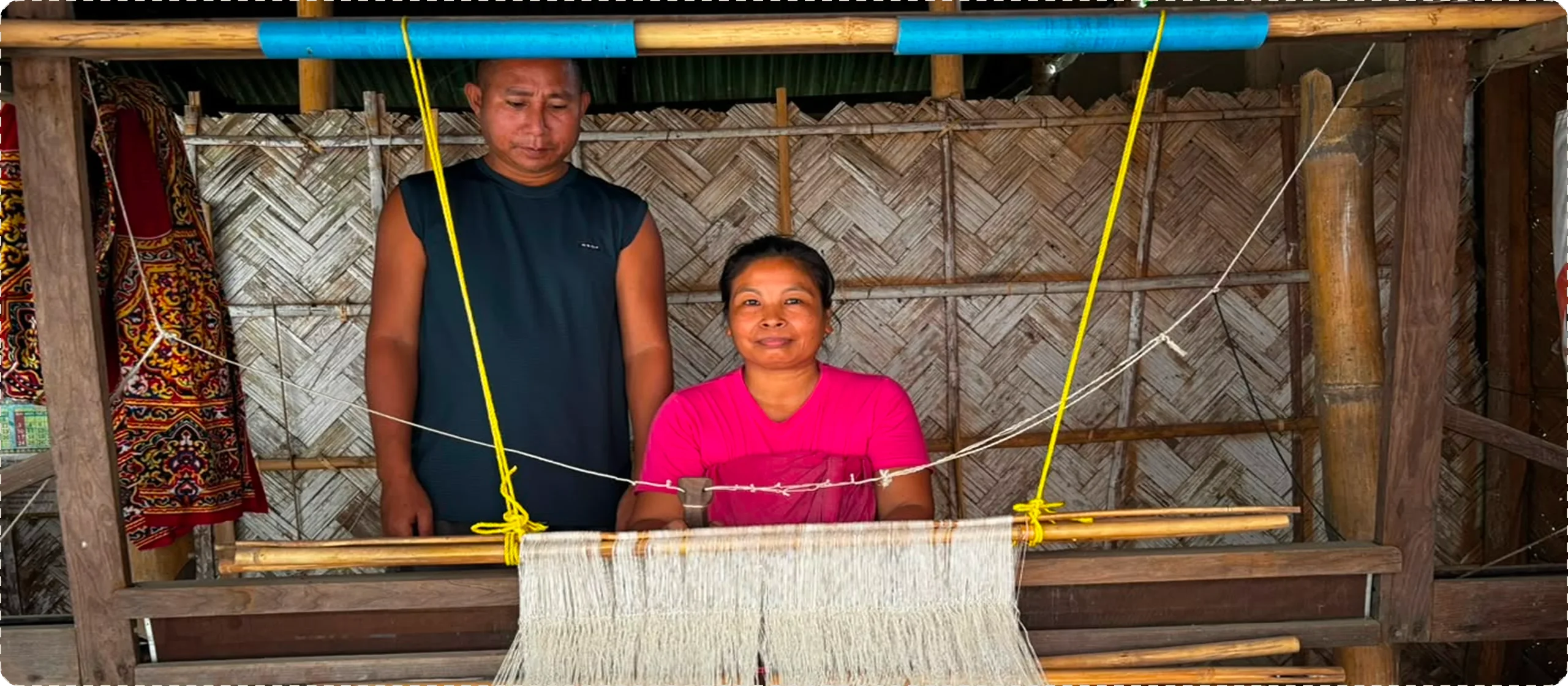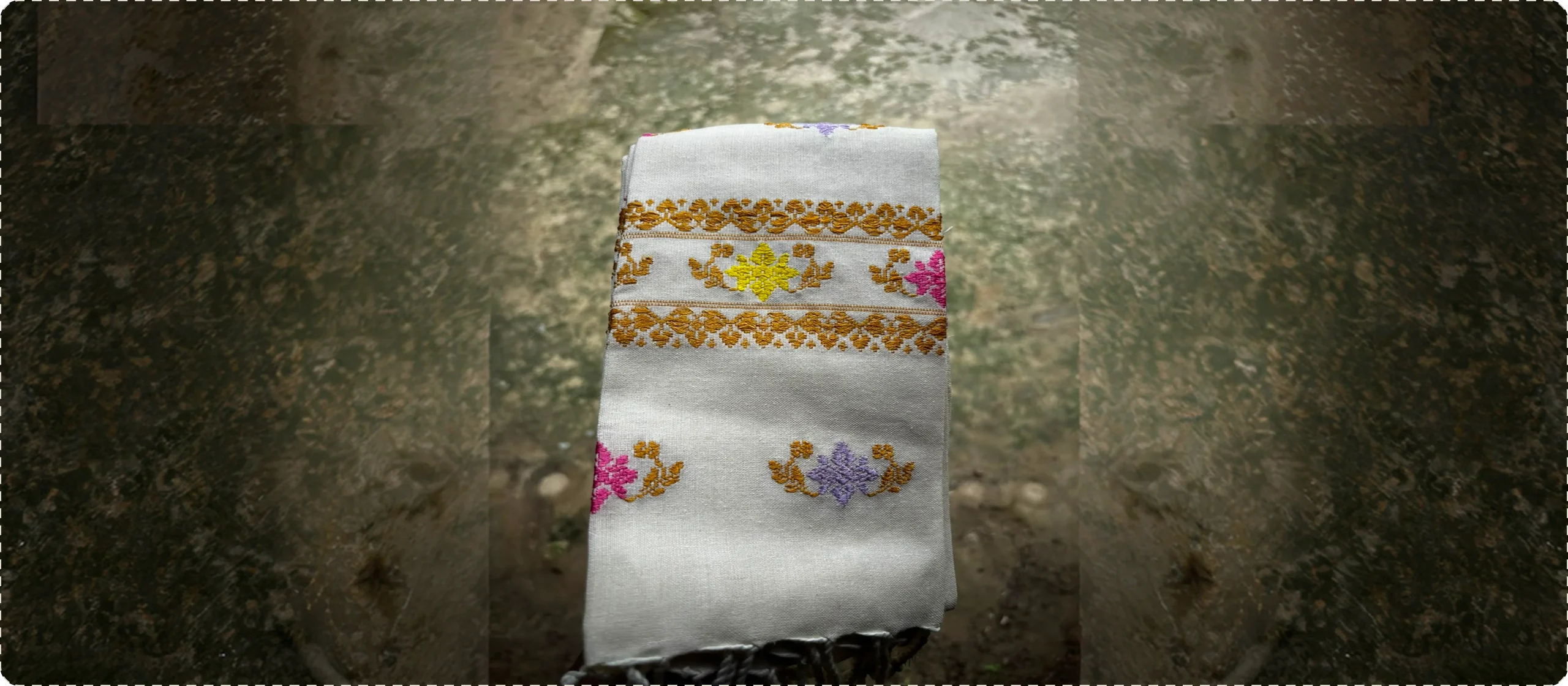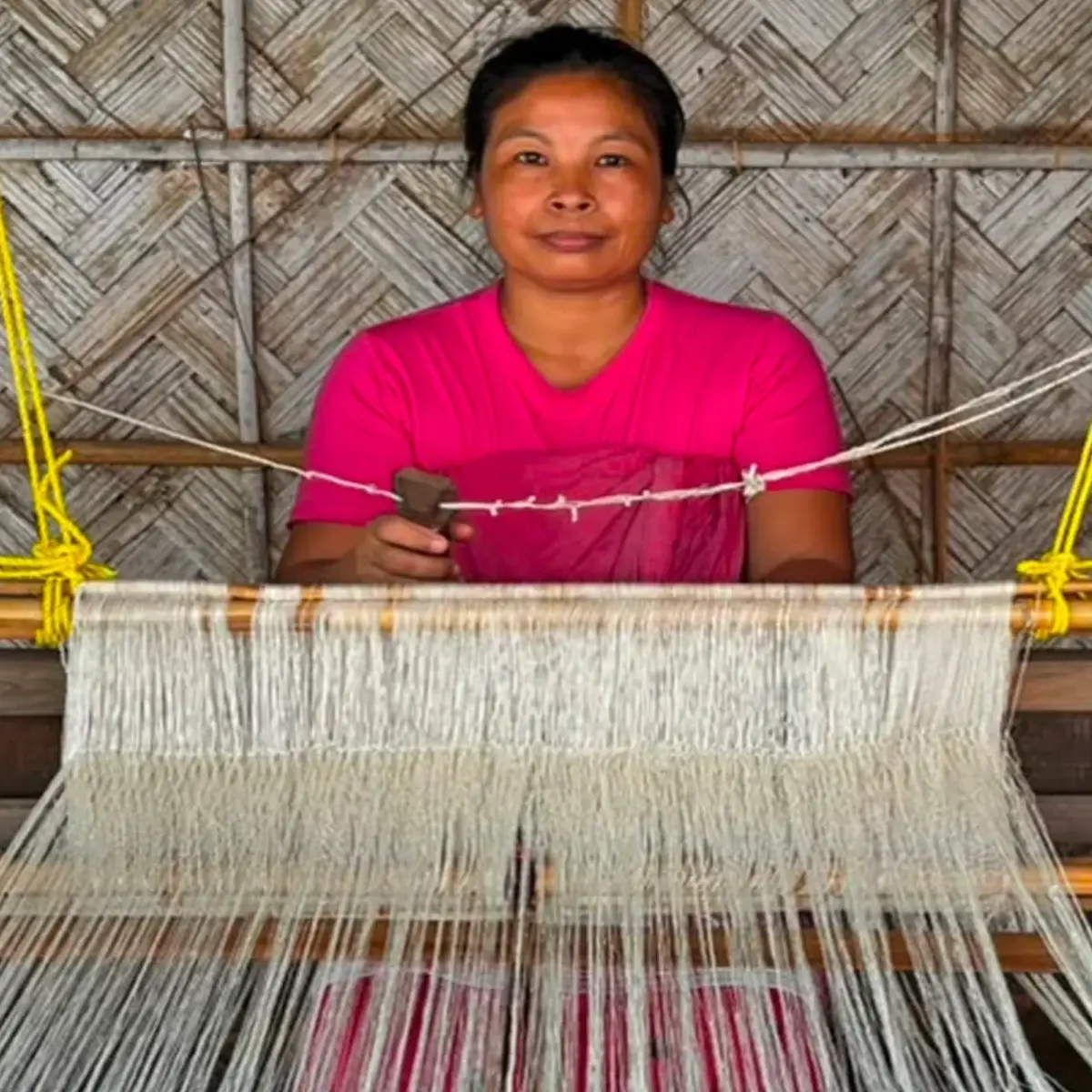
For nearly two decades, Dipali Daimari wove Eri shawls and Dokhona by hand in Khunbari village. Without modern equipment, her production – and her income – stayed limited to around ₹40,000 a year.

TRUST
RTI, audits, and legal documents.
PROGRAMMES
Filter by state, theme, type, status.
APPROACH
Nine themes across rural livelihoods.
Eight programmes for rural professionals.
Studies on Adivasi livelihoods.
PROOF
Reach across six themes.
STORIES
Stories, blog and films in one filterable hub.
PRESS
Press kit, mentions, releases and social.
DATA AND DOWNLOADS
BRLF Profile and Case for Support.
LEARN
Field-facing modules in local languages.
CONVENINGS
Samanvay and other BRLF convenings.
WORK WITH US
Active procurement RFPs.
Donate
·
For nearly two decades, Dipali Daimari wove Eri shawls and Dokhona by hand in Khunbari village. Without modern equipment, her production – and her income – stayed limited to around ₹40,000 a year.
Despite her skill and dedication, Dipali’s traditional weaving methods limited what she could produce. She lacked a Jacquard loom, warping drum, and punching machine – equipment that could have let her create more intricate designs and higher volumes. Her annual income before intervention stood at just ₹40,000.
The DWIMU project identified Dipali as a suitable beneficiary and provided her with a Jacquard weaving machine and a warping drum. Alongside the equipment, she received hands-on training in Jacquard design, machine operation, and warping techniques, backed by continuous technical guidance and market linkage support.
With improved production capacity and the ability to create more intricate designs, Dipali’s annual income rose sharply from ₹40,000 to ₹4.53 lakh a year. The additional income has enhanced her family’s living standards and boosted her confidence, turning her from a traditional weaver into a successful entrepreneur with modern skills.
Encouraged by her success, Dipali plans to install four more looms – creating jobs for other women – and continues to diversify her products and expand her market reach.
Read how communities across the tribal belt are building new livelihoods.
·
Aghanmoti Rathia’s one acre used to lie fallow every Rabi season. This year it grew groundnut, sunflower, greens, and gourd.
·
Bimla Rathia had given up goat rearing after disease wiped out her herd. Training and support rebuilt it into her family’s most reliable income.
·
Ram Pyari once earned about ₹23,040 a year growing paddy. Within one watermelon season, she nearly matched that in profit alone.
·
Aghanmoti Rathia’s one acre used to lie fallow every Rabi season. This year it grew groundnut, sunflower, greens, and gourd.
·
Bimla Rathia had given up goat rearing after disease wiped out her herd. Training and support rebuilt it into her family’s most reliable income.
·
Ram Pyari once earned about ₹23,040 a year growing paddy. Within one watermelon season, she nearly matched that in profit alone.