Duldula Block is home to over 11,000 households across 66 villages, most of them dependent on rain-fed farming. A block-wide farm pond campaign is now turning that dependence into water security.

TRUST
RTI, audits, and legal documents.
PROGRAMMES
Filter by state, theme, type, status.
APPROACH
Nine themes across rural livelihoods.
Eight programmes for rural professionals.
Studies on Adivasi livelihoods.
PROOF
Reach across six themes.
STORIES
Stories, blog and films in one filterable hub.
PRESS
Press kit, mentions, releases and social.
DATA AND DOWNLOADS
BRLF Profile and Case for Support.
LEARN
Field-facing modules in local languages.
CONVENINGS
Samanvay and other BRLF convenings.
WORK WITH US
Active procurement RFPs.
Donate
·
Duldula Block is home to over 11,000 households across 66 villages, most of them dependent on rain-fed farming. A block-wide farm pond campaign is now turning that dependence into water security.
Agriculture in Duldula, a largely tribal block of forests and hilly terrain, was heavily dependent on rainfall. Frequent crop failures at sowing and transplantation kept productivity and incomes unstable. With limited irrigation infrastructure and low awareness of water conservation, most farmers relied on a single crop and had few livelihood options.
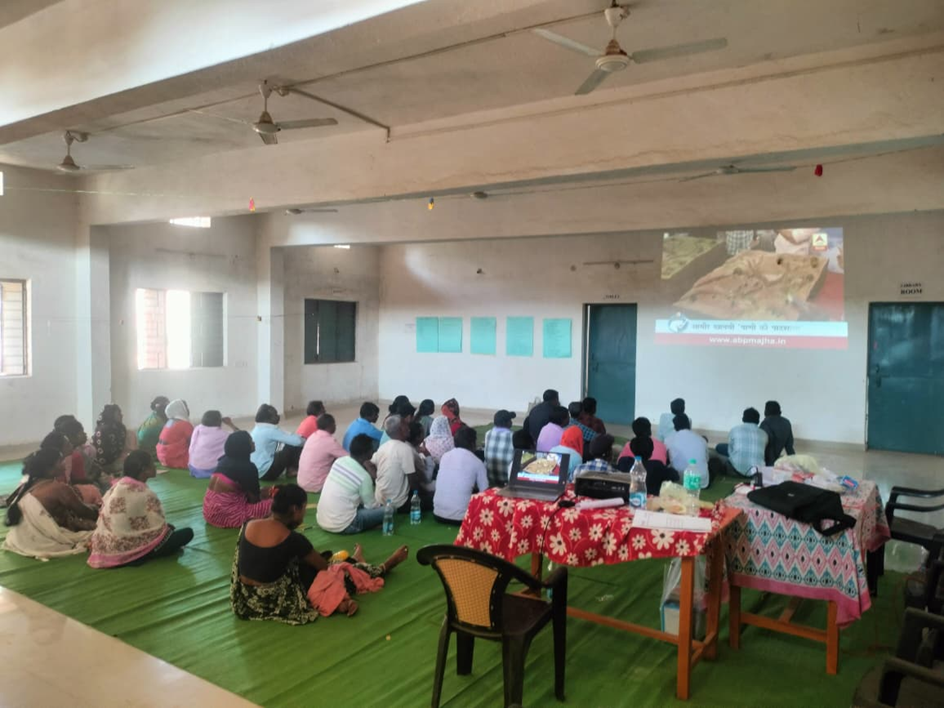
Since April 2025, Harsha Trust has implemented the High Impact Mega Watershed Project 2.0 across 29 Gram Panchayats, with support from BRLF-ABF. Under the Ajivika Dabari (farm pond) campaign led jointly by MGNREGA and SPMU-PRADAN, the team ran village meetings, PRA exercises, and site inspections using the CLART application, identifying 341 potential beneficiaries. Of 160 proposals submitted, 139 farm ponds were approved, with CRPs and Mates trained in site selection, pond design, and construction quality.
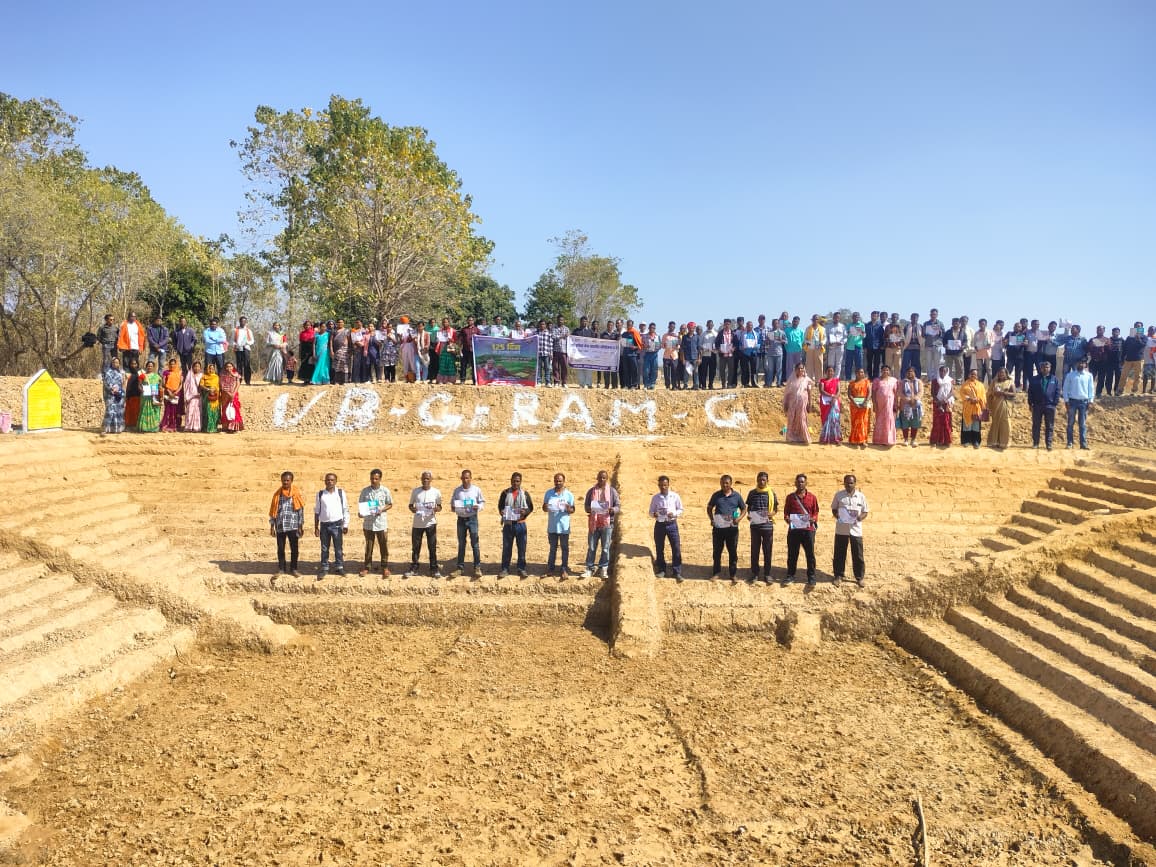
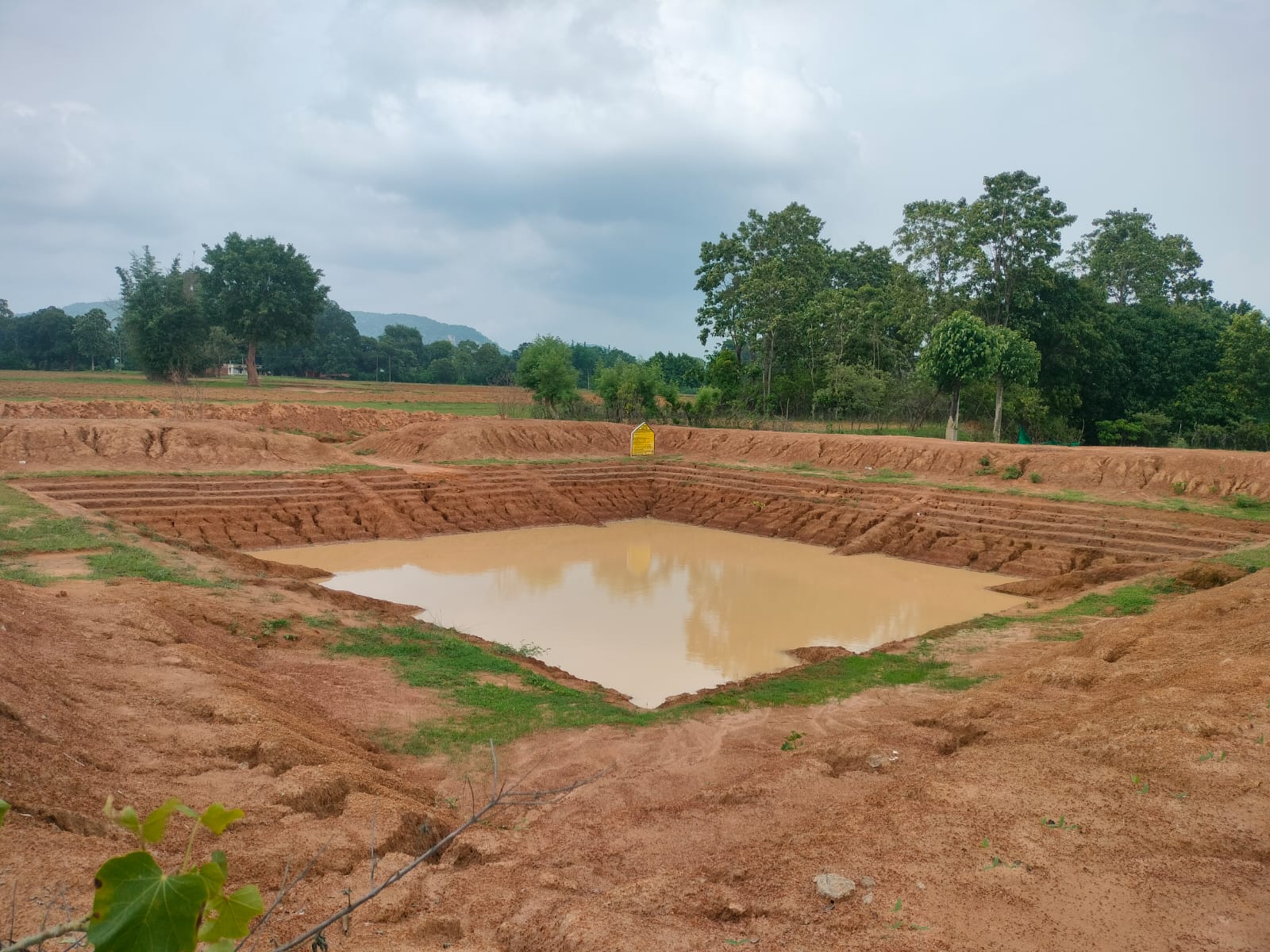
130 Ajivika ponds, each 20m × 20m × 3m, have now been built across the block, creating a total storage capacity of about 156,000 cubic metres — roughly 312,000 cubic metres a year when filled twice through rainfall. This water is expected to provide protective irrigation to nearly 300–320 hectares of farmland, reducing dependence on rainfall and opening the door to fish farming, bund plantation, and integrated farming systems.
As the ponds fill through the monsoon, Duldula’s farmers are expected to see steadier yields, more stable incomes, and new livelihood options built around water.
Read how communities across the tribal belt are building new livelihoods.
·
Aghanmoti Rathia’s one acre used to lie fallow every Rabi season. This year it grew groundnut, sunflower, greens, and gourd.
·
Bimla Rathia had given up goat rearing after disease wiped out her herd. Training and support rebuilt it into her family’s most reliable income.
·
Ram Pyari once earned about ₹23,040 a year growing paddy. Within one watermelon season, she nearly matched that in profit alone.
·
Aghanmoti Rathia’s one acre used to lie fallow every Rabi season. This year it grew groundnut, sunflower, greens, and gourd.
·
Bimla Rathia had given up goat rearing after disease wiped out her herd. Training and support rebuilt it into her family’s most reliable income.
·
Ram Pyari once earned about ₹23,040 a year growing paddy. Within one watermelon season, she nearly matched that in profit alone.