The state partnership model: how we deliver together
BRLF funds and facilitates the connecting work that helps programmes succeed: the coordination, capacity building and shared oversight that let communities, governments and Civil Society Organisations (CSOs) organisations deliver together.
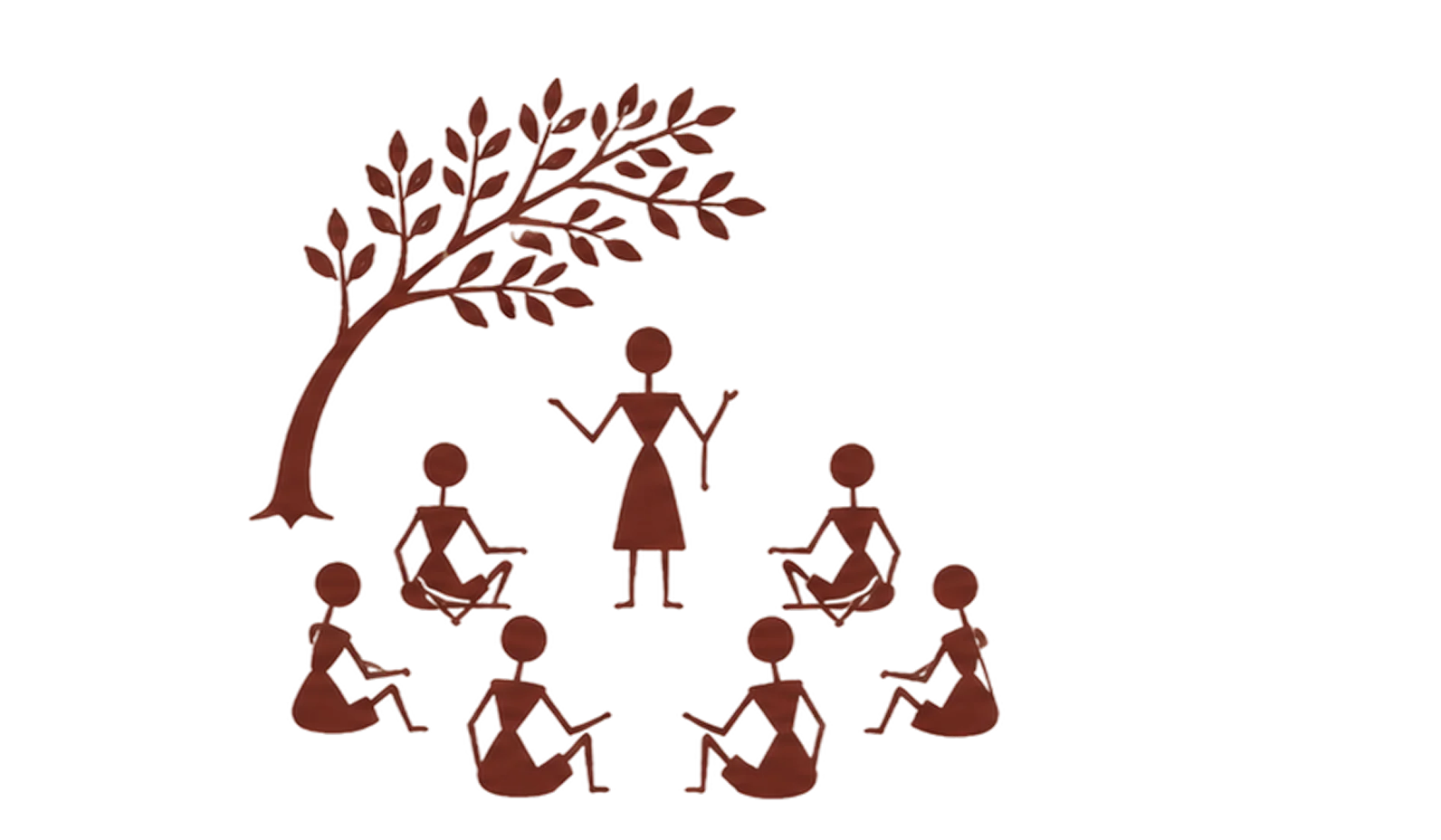
Ground-level implementation, community mobilisation, and close accountability to household outcomes in the areas where the programme runs.
PARTNER 02
State
government
PARTNER 02
State
government
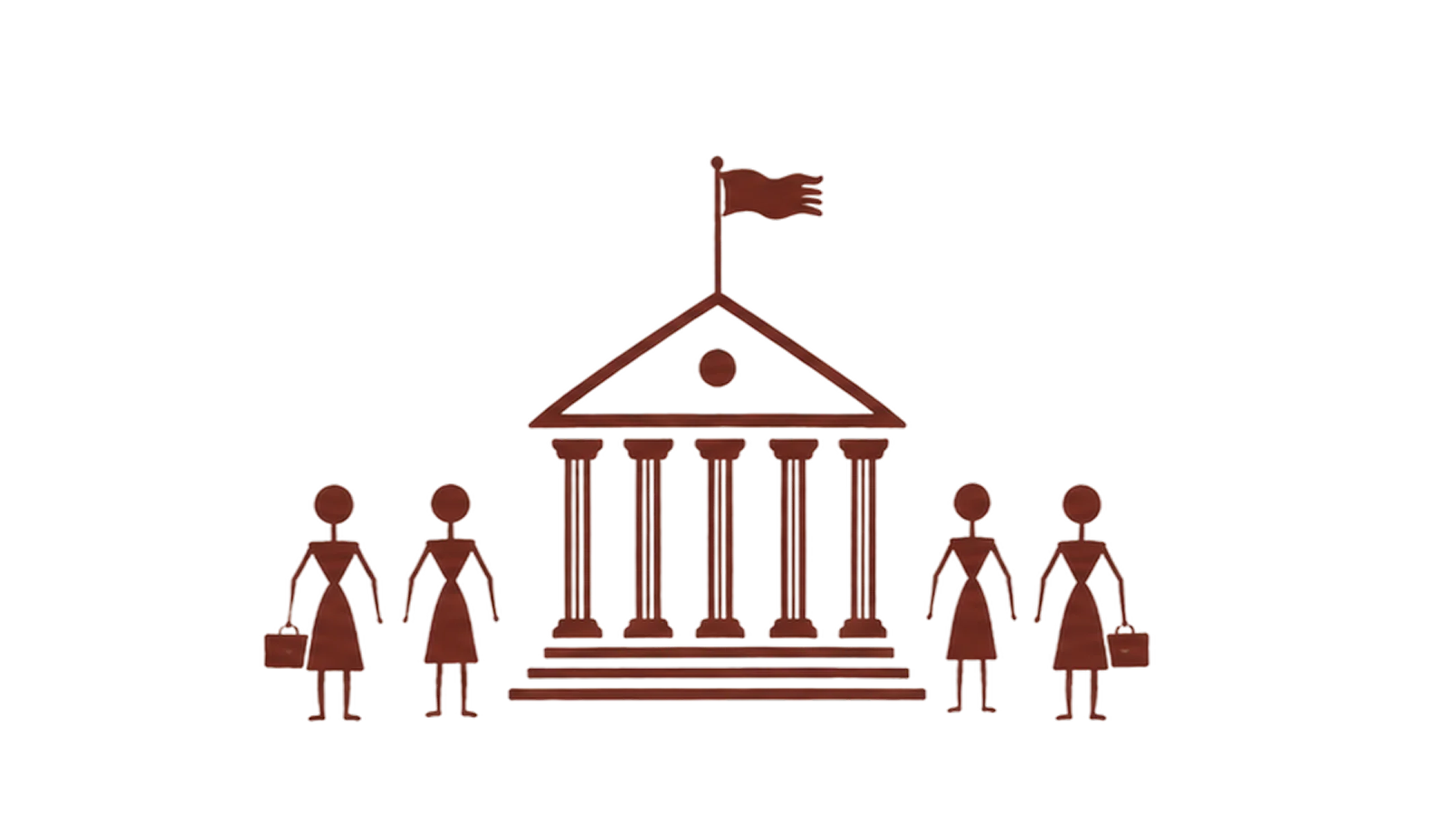
Programme funding, policy backing, and aligning central and state welfare schemes behind the programme.
PARTNER 03
BRLF
PARTNER 03
BRLF
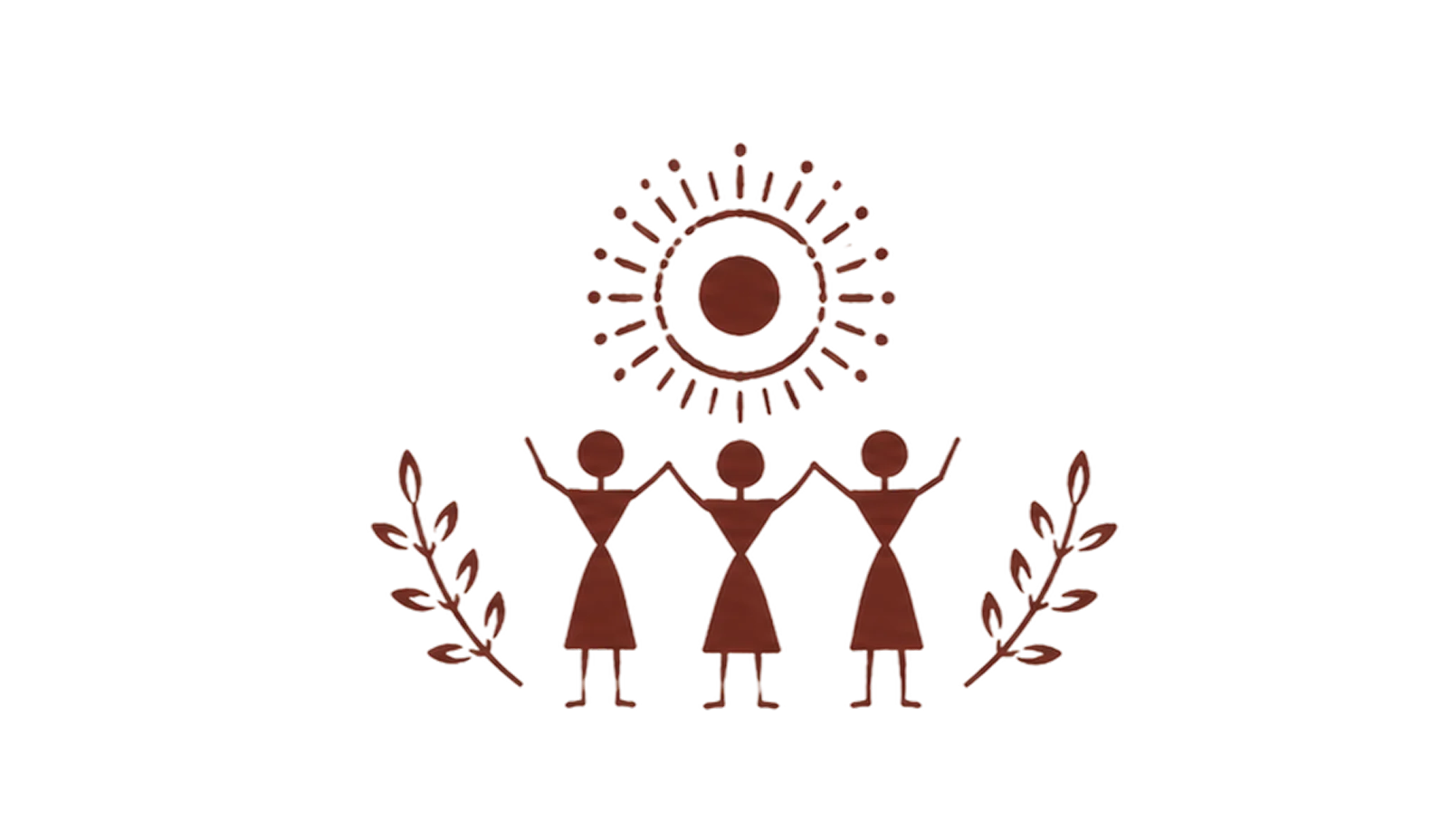
Facilitation, capacity building, due diligence, technical support, monitoring and learning systems, and the coordination that holds the three-way partnership together.
WHERE IT OPERATES
Central ministries and 11 states
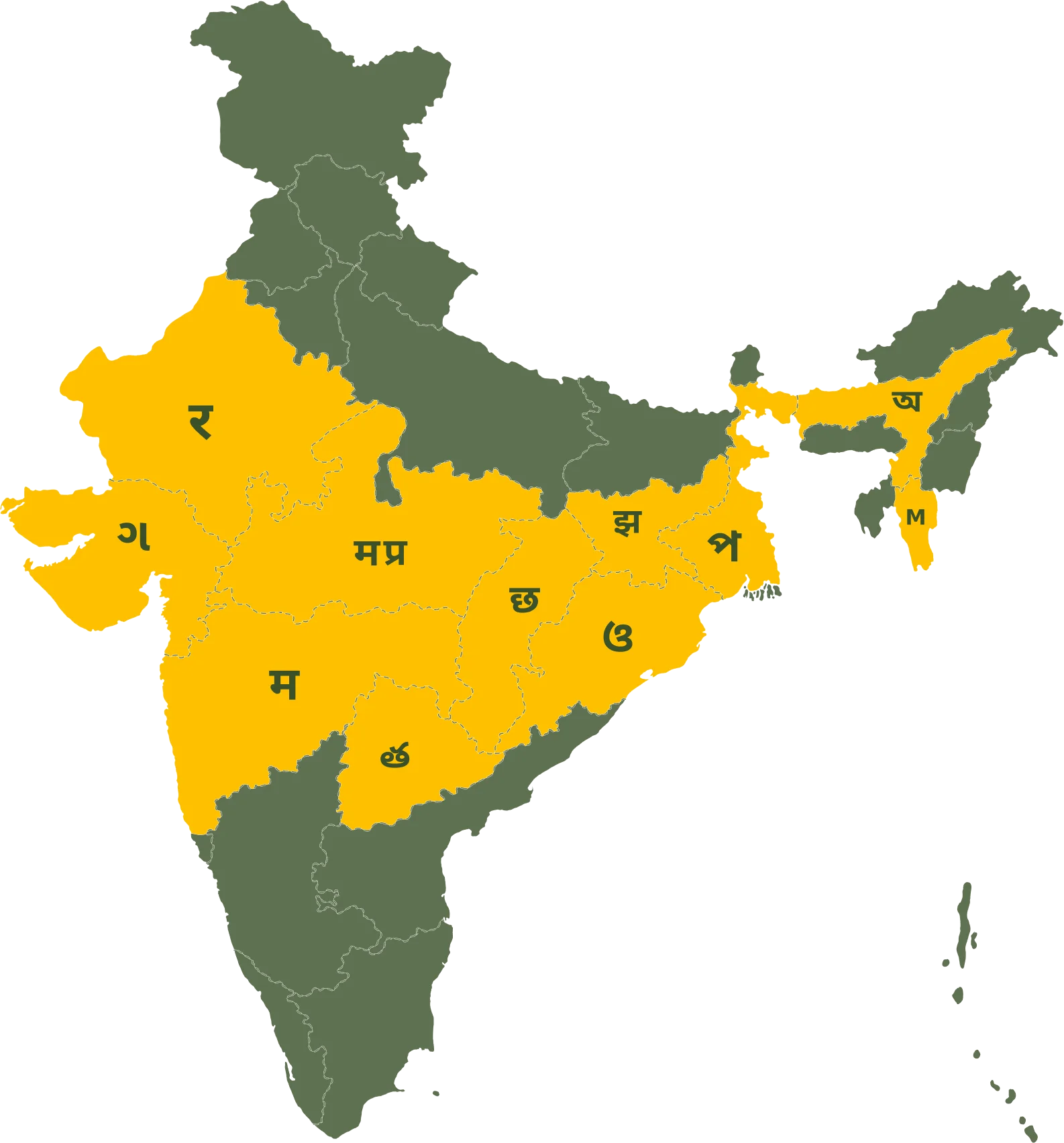
The model operates at two levels: formal partnerships with three central ministries, and programme partnerships across active states. We have worked across 11 states since inception and are currently active in the states of Assam (Bodoland), Chhattisgarh, Jharkhand, Madhya Pradesh, Maharashtra, Odisha and Telangana.
BRLF’s founding ministry. Corpus funding, the MoU framework, and annual reports to Parliament.
Institutional partnership to strengthen grassroots organisations across tribal regions in central India.
Technical partnership on climate and livelihoods. Authored the poverty and livelihoods chapter of India’s National Adaptation Plan (NAP), serves on the expert evaluation panel for the Environment Information, Awareness, Capacity Building and Livelihood Programme (EIACP), and contributes to environmental education and skill development.
State partnerships
Assam (Bodoland)
Telangana
Jharkhand
Odisha
Chhattisgarh
Maharashtra
Mizoram
HOW IT WORKS
Five steps to a state partnership
Identifying the Geography
With the state government, we identify the blocks where the need is greatest and the partnership can deliver the most, focusing effort where it counts.
The Agreement
We sign a formal agreement (MoU) with the state government, defining roles, fund flows and accountability for every partner before implementation begins.
Choosing the Grassroots Partner
We conduct structured due diligence to identify CSOs with proven presence and implementation capacity in the target geography.
Setting Up the Joint Programme Unit
A State Programme Management Unit is jointly staffed and anchored to the relevant state department to manage coordination and governance.
Reviewing Together
A steering committee drawn from government, civil society organisations and BRLF guides the work throughout.
OUR APPROACH
Government schemes power the partnership
What Civil Society Organisations bring
What Civil Society Organisations bring
Closest to the community. Trust built over years, local knowledge, village mobilisation, and reach to the last household.
What government brings
What government brings
Scale and public backing. Flagship development schemes, public resources, policy support, and reach across every block and district.
What BRLF brings
What BRLF brings
The connecting work. Technical expertise, capacity building, due diligence, monitoring and learning systems, and staffing for the joint state unit.
WHAT IT LOOKS LIKE ON THE GROUND
Five implementation models across livelihood contexts
The State Partnership Model produces distinct implementation approaches, each adapted to a different livelihood context across BRLF’s programme areas.
MODEL 01
Integrated Farming Systems
MODEL 01
Integrated Farming Systems
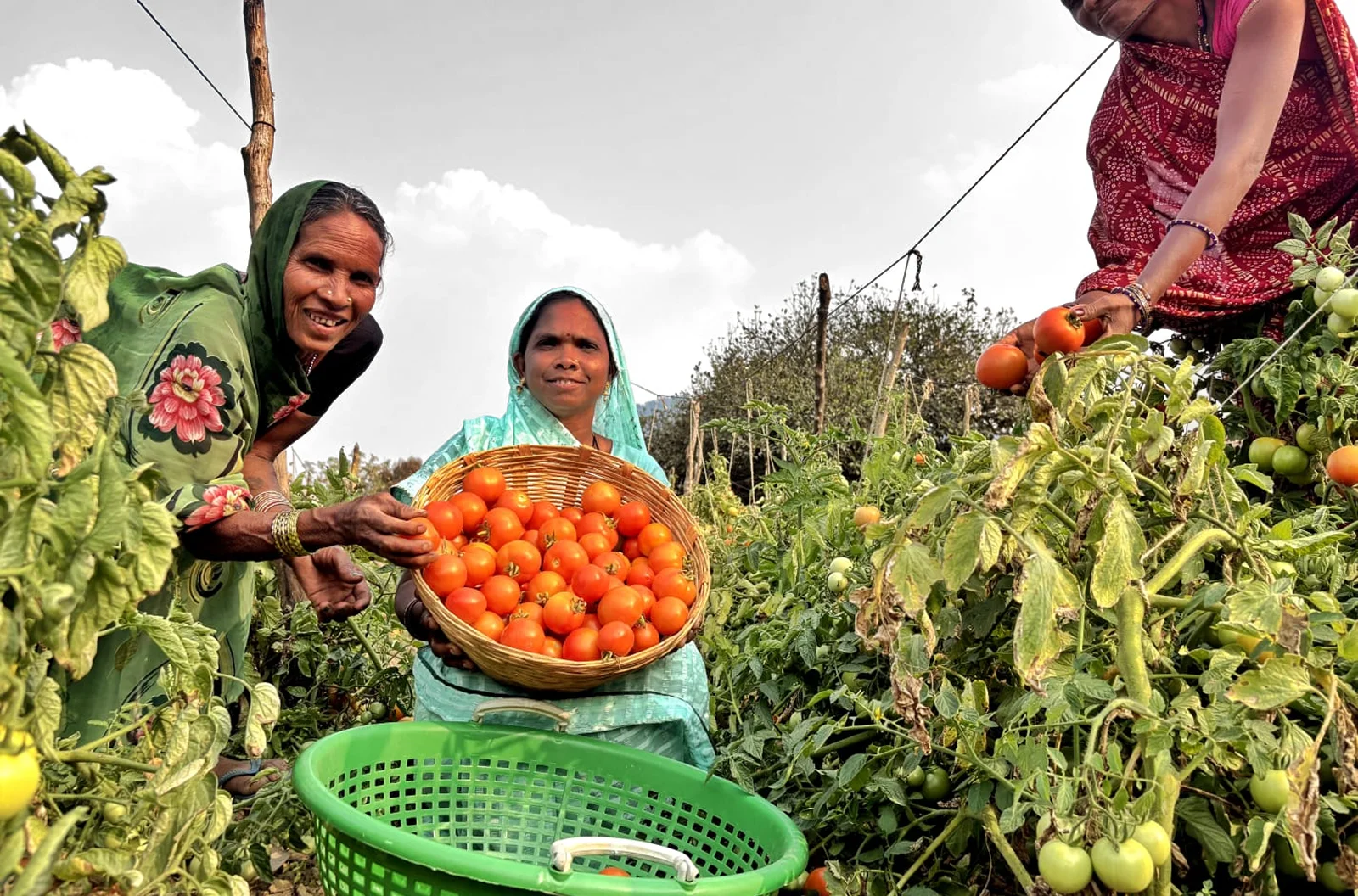
One asset, many incomes. A farm pond, irrigation well or orchard becomes the base for several activities at once – fish in the pond, vegetables on the bunds, fruit trees, poultry – so a family draws income through the year rather than from one harvest. The assets come through government schemes; the household is supported with planning, training and follow-through.
MODEL 02
Watershed Approach and Management
MODEL 02
Watershed Approach and Management
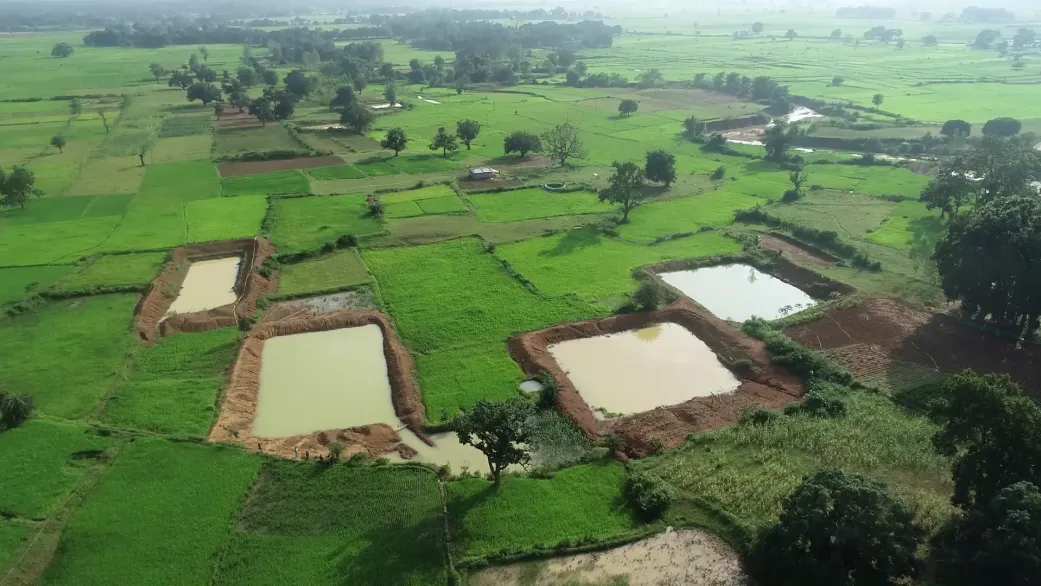
Water at the scale of the landscape. Communities plan and build the structures that hold water where it falls – ponds, bunds, recharge works and wells – then manage the shared resource together across the seasons. Because water, land and forest are worked as one system, restoring the watershed restores what grows on it.
MODEL 03
Women-led Farmer Producer Organisations
MODEL 03
Women-led Farmer Producer Organisations
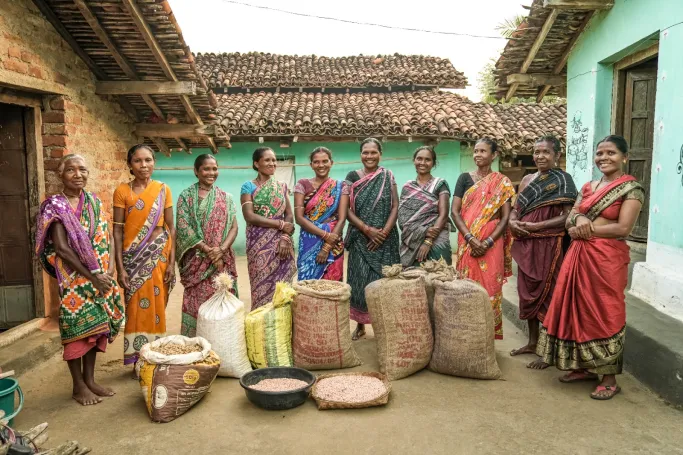
Women in charge of the business. Women farmers cultivate, process and sell as a collective they own and lead, taking on the roles of board, management and decision-making. BRLF supports the institution as it forms, builds its business and governance capacity, and helps it reach markets and schemes.
MODEL 04
Gender-based Programmes
MODEL 04
Gender-based Programmes
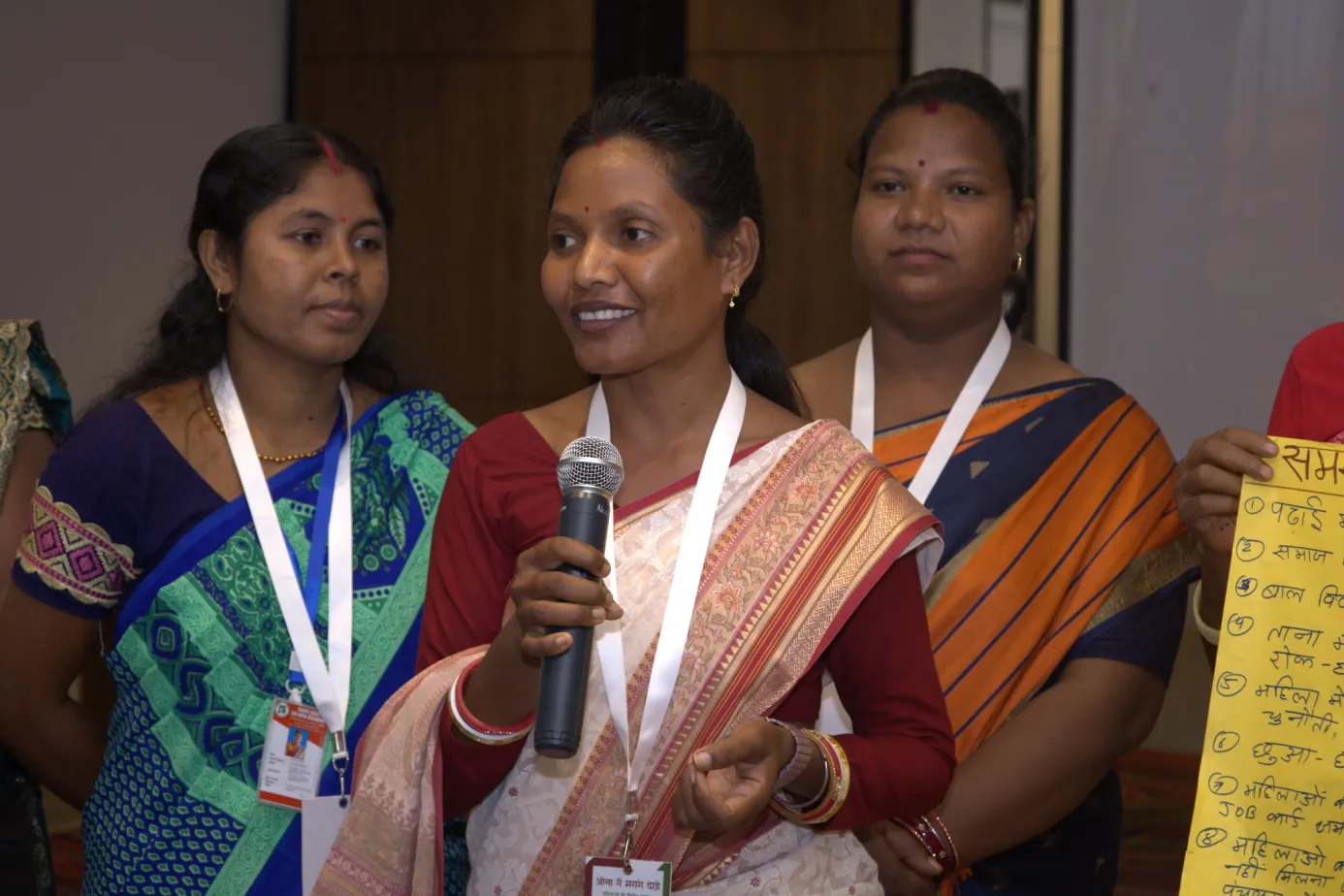
Women shaping the decisions. Work that puts women’s leadership, rights and inclusion at the centre – through collectives and self-help groups, nutrition gardens close to the home, and support to claim entitlements and take up positions in village institutions. The aim is that women shape decisions about land, water and money, not only benefit from them.
MODEL 05
Community Forest Rights
MODEL 05
Community Forest Rights
Rights, and what comes after. Support for forest-dwelling communities to claim their rights under the Forest Rights Act (FRA) and the Panchayats (Extension to Scheduled Areas) Act (PESA) – and then to use them: managing the forest as a community, and building livelihoods from its produce.
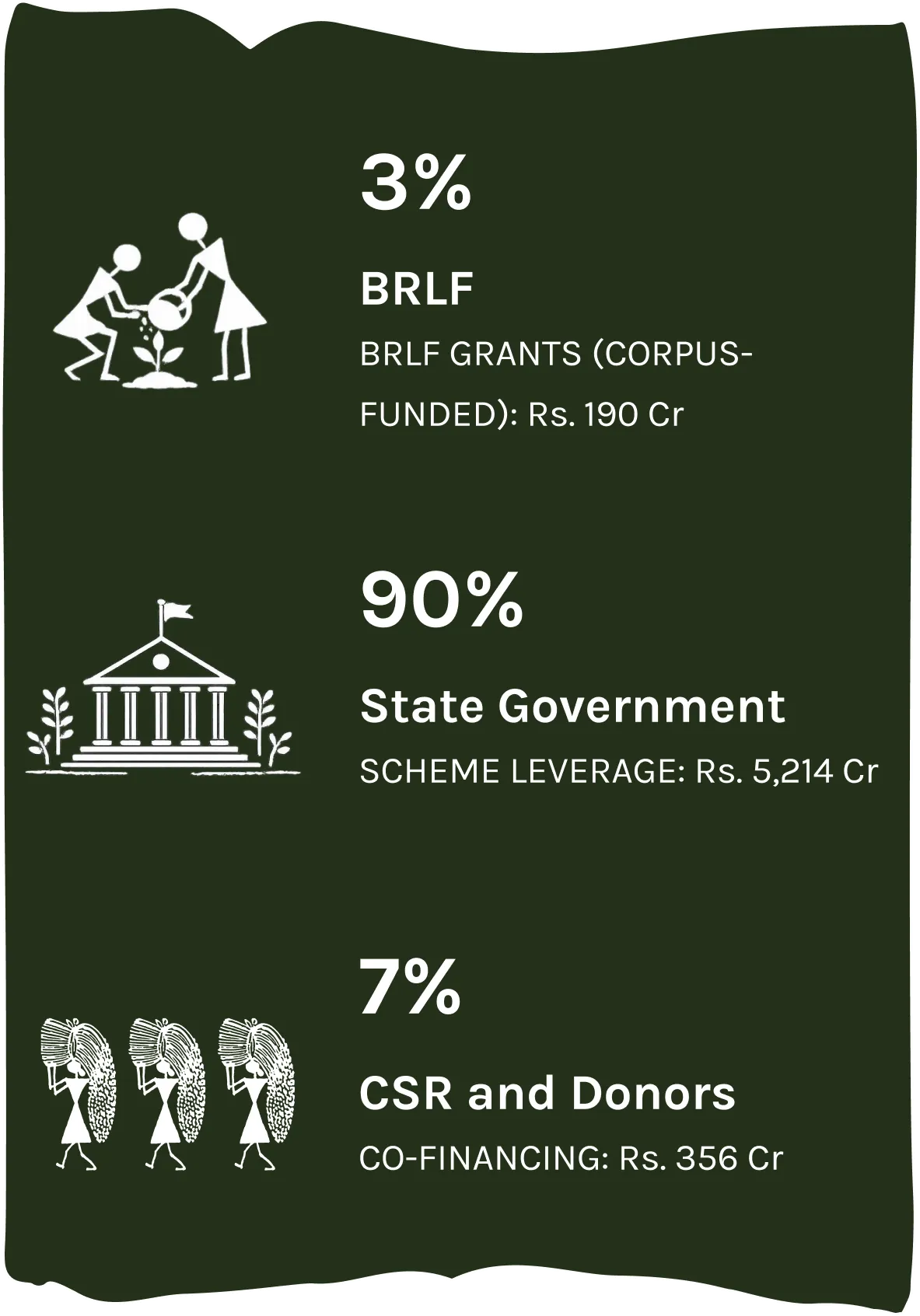
When facilitation, government convergence and philanthropic support work together in a formal partnership, they mobilise far more than any one partner could on its own.
Outcome: 1:26
Every rupee BRLF invests as grants to grassroots organisations unlocks Rs. 26 of additional resources.
3%
BRLF
BRLF GRANTS (CORPUS-FUNDED): Rs. 218.97 Cr
90%
State Government
SCHEME LEVERAGE:
Rs. 5,428.66 Cr
7%
CSR and Donors
CO-FINANCING: Rs. 356 Cr
State ratios range from roughly 1:24 to 1:32 depending on scheme availability, government co-investment, and the depth of grassroots implementation.
PARTNER WITH BRLF
Start a conversation about partnership
Our partnerships team can walk you through programme fit, geography, and investment range. Most partnerships begin with a single conversation.